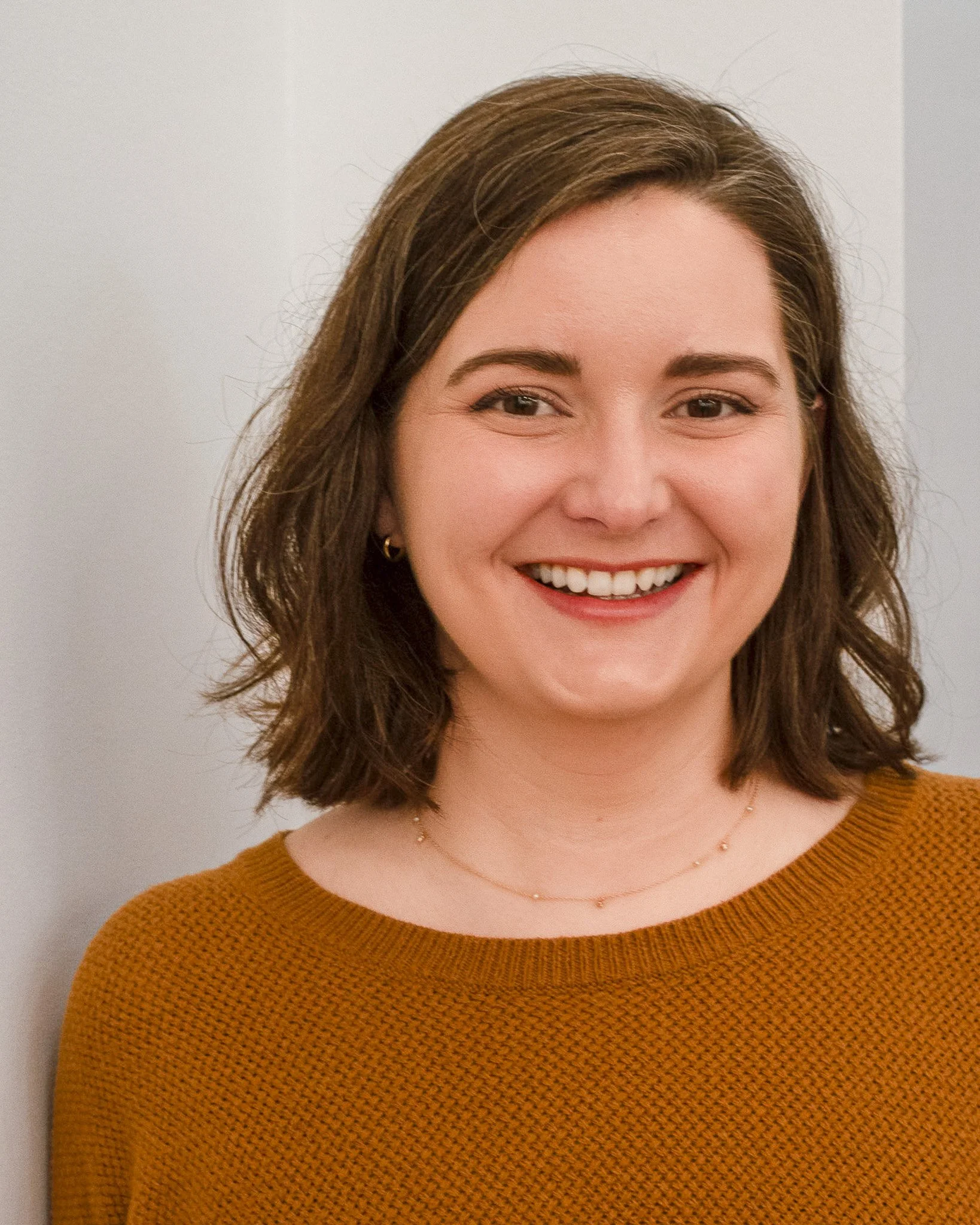
Hi, I’m Amanda.
I work with adults whose lives are complicated, layered, and hard to explain in one neat sentence.
A lot of people come to therapy because one thing has become hard to ignore. Coping in ways that cause problems. A relationship that keeps hurting. Anxiety. Anger. Shame. Burnout. A family history that still feels present.
As we talk, the picture usually gets bigger. The issue that brought you in often connects to older patterns, protective strategies, and parts of your story that never had enough room.
That is the work I like doing.
I am interested in how patterns develop, what they helped you survive, what they are costing you now, and what might become possible when you can fully understand and accept yourself.
What I’m like in the room:
I am warm, direct, curious, and hard to shock. I can sit with complicated material without needing you to make it easier, cleaner, or more palatable.
I am also active in the room. I will tell you what I am noticing, ask real questions, name patterns when I see them, and help you slow down enough to understand what is happening underneath the behavior, reaction, or relationship dynamic.
I care about honesty, and I care about how honesty lands. My work is direct, but it is never about shaming you into change. It is about getting clear enough to understand what has been driving the patterns that keep showing up in your life.
What Shapes My Work
My work is direct, relational, trauma-informed, and built for the complicated stuff.
-
Therapy with me is active and collaborative. Some sessions are reflective and exploratory. Others are more focused on skills, trauma processing, nervous system regulation, or talking directly about what needs to change.
I draw from Internal Family Systems, EMDR, harm reduction, psychodynamic therapy, trauma treatment, and practical coping tools. Depending on what we are working on, we may focus on trauma memories, substance use, self-abandonment, boundaries, anger, shame, attachment wounds, family dynamics, or the parts of you that feel stuck in conflict with each other.
Real therapy can hold compassion, accountability, humor, discomfort, and honesty at the same time.
-
You can be high-functioning and deeply overwhelmed. Self-aware and still stuck. Loving and resentful. Successful and ashamed. Funny and in pain. Protective of others and disconnected from yourself. Ready for change and scared of what change might require.
Therapy gives us room to hold those contradictions without reducing you to one symptom, one diagnosis, or one coping strategy.
A lot of my work involves helping people connect what happened earlier in life to what is happening now. Sometimes that means naming trauma directly. Sometimes it means starting with the current pattern, like drinking, choosing unavailable people, shutting down, overfunctioning, avoiding conflict, or feeling responsible for everyone else, and slowly understanding how it got there.
-
As a social worker, I am trained to look at the whole picture: relationships, systems, identities, histories, environments, power, and access to care.
I pay attention to the ways racism, sexism, heterosexism, transphobia, ableism, classism, ageism, religious persecution, anti-fat bias, and other forms of oppression shape mental health, safety, relationships, identity, and the body.
I am a white, straight, cisgender, able-bodied woman living in Brooklyn. I was born in the United States and grew up lower middle class. I try to stay aware of how my identities and experiences inform what I notice, what I miss, and how I understand the world.
I am comfortable talking about power, privilege, oppression, identity, and difference in therapy. I am also willing to own my limitations, name when I am offering a clinical impression versus a personal perspective, and stay open to being wrong.
-
A lot of my work comes back to trauma.
Sometimes trauma is obvious. Sometimes it shows up as drinking too much, staying in relationships that hurt, overfunctioning, shutting down, exploding, self-abandoning, dissociating, avoiding your own needs, or feeling like you are always bracing for something.
I work with people who have experienced childhood abuse, emotional neglect, family chaos, relational trauma, accidents, medical trauma, narcissistic abuse, assault, grief, and other experiences that left a mark.
I am especially interested in helping people connect what happened then to what is happening now, so the pattern can finally make more sense and become less automatic.
-
Before private practice, I worked with unhoused people, veterans, and people navigating severe substance use disorders. Those experiences shaped me as a therapist in ways that still matter deeply. They taught me how to stay steady with crisis, complexity, trauma, survival, and the parts of people’s stories that are often misunderstood or judged. I bring that steadiness into my work now. I am not easily shocked, and I do not need clients to make their lives sound cleaner or more acceptable before we can talk honestly about what has happened and what needs care.
EDUCATION
Master of Social Work, New York University
Certificate Program in Integrative Trauma Studies, National Institute for the Psychotherapies
Licensed Clinical Social Worker in New York State
New York State License Number: 092117
Training and experience in trauma treatment, Internal Family Systems, EMDR, harm reduction, substance use, anxiety, depression, relationship issues, family dynamics, and workplace stress